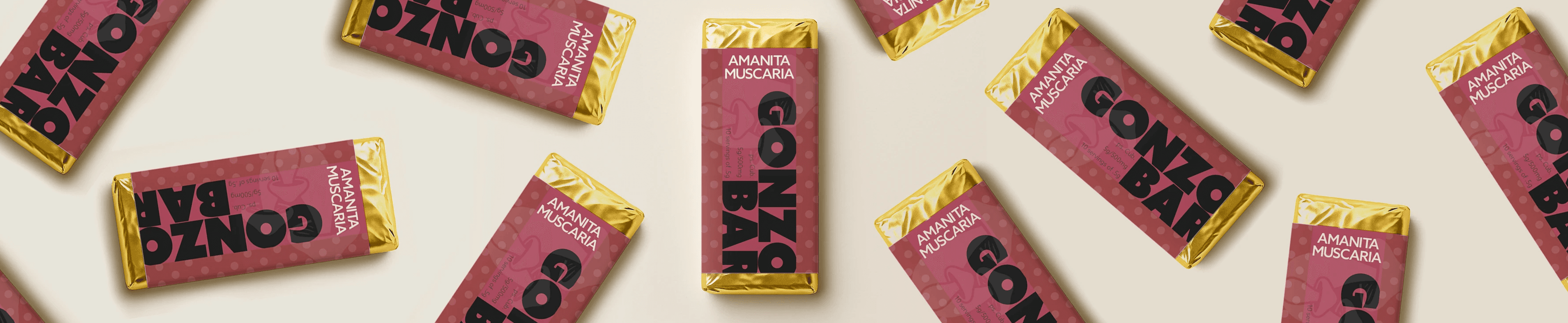
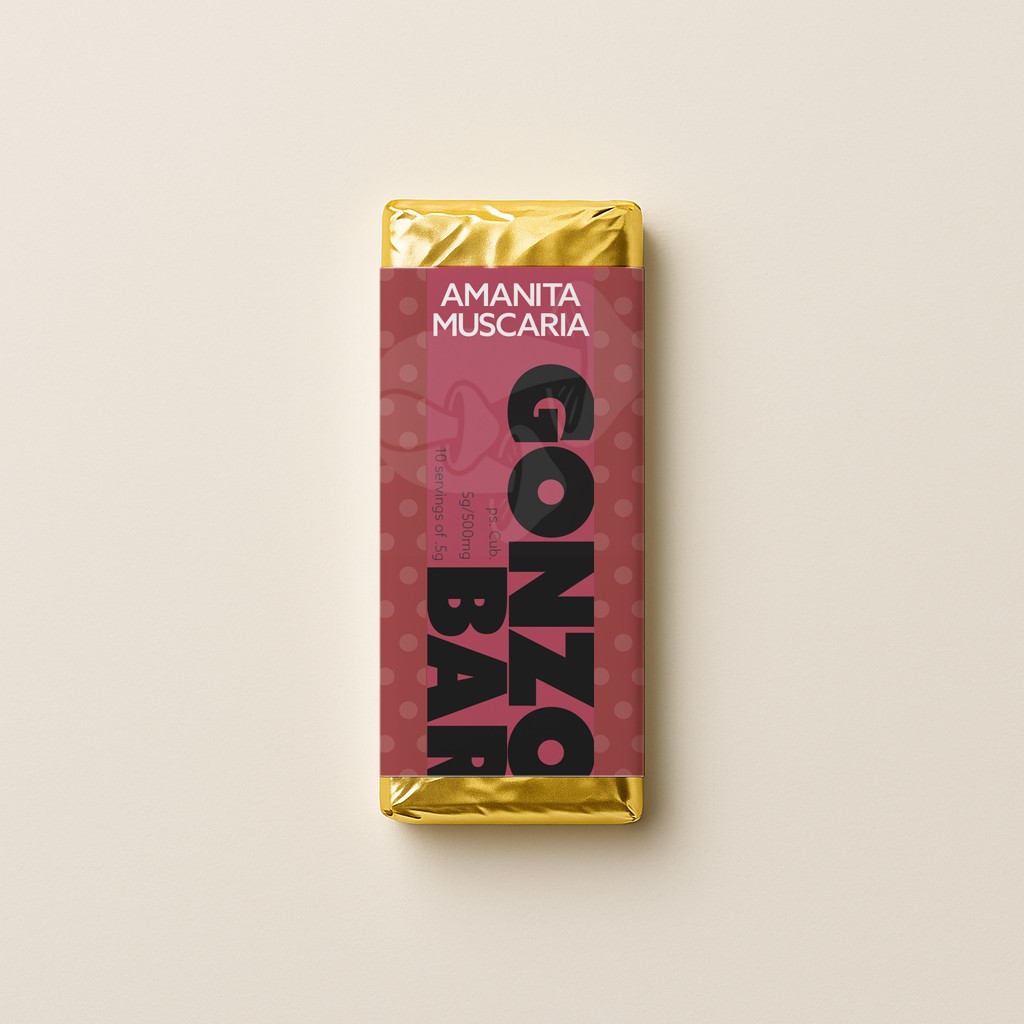
Amanita Muscaria Bar
History & Origin
Ancient Use: Amanita muscaria is one of the most historically documented psychoactive mushrooms, with evidence of ritual use spanning thousands of years across Siberia, Northern Europe, and parts of Central Asia.
Ethnomycological Record: Used by Siberian shamans for spiritual journeys, divination, and ceremonial practices. The mushroom appears prominently in folklore, myth, and early ethnographic accounts rather than modern cultivation movements.
Etymology
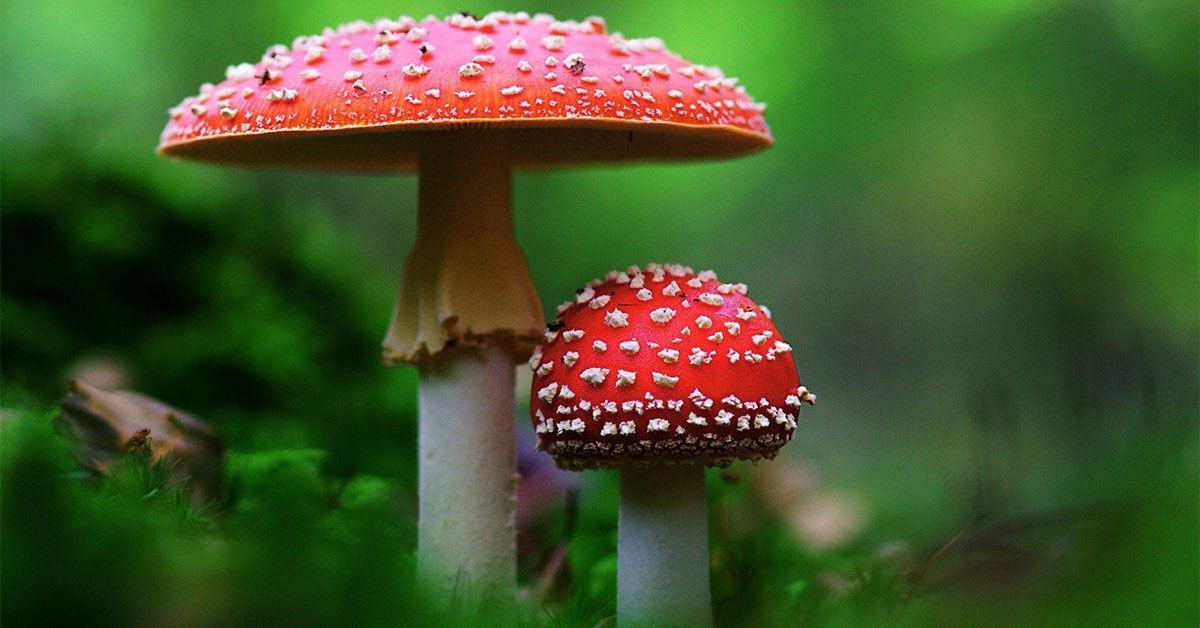
The genus name “Amanita” likely derives from Mount Amanos in Turkey, while “muscaria” comes from the Latin musca (fly), referencing its historical use as an insecticide when steeped in milk. Its striking red cap with white warts has made it one of the most recognizable mushrooms in human culture.
Order now
Taxonomy & Naming
Kingdom: Fungi
Division: Basidiomycota
Class: Agaricomycetes
Order: Agaricales
Family: Amanitaceae
Genus: Amanita
Species: Amanita muscaria
Common Names: Fly Agaric, Fly Amanita
Distribution & Habitat
Geographic Range: Circumboreal; widespread across the Northern Hemisphere including North America, Europe, and Asia. Introduced populations exist in the Southern Hemisphere.
Ecology:
Mycorrhizal (symbiotic), forming relationships with trees rather than growing on decaying matter.
Associated Trees:
Birch
Pine
Spruce
Fir
Growth Pattern:
Typically solitary or in fairy-ring formations in forests and woodland edges.
Uses &
Cultural Significance
Cultural Symbolism:
One of the most iconic mushrooms in art and folklore; frequently associated with fairy tales, shamanism, and modern psychedelic symbolism.
Traditional Use:
Historically used in ritual contexts rather than recreational ones. Preparation methods varied widely and were often culture-specific.
Modern Interest:
Renewed ethnobotanical and academic interest focused on consciousness studies, folklore, and comparative psychoactive mechanisms—distinct from classical psychedelics.
Synonyms &
Related Strains
Related Amanitas:
Amanita pantherina (more potent, higher risk)
Amanita regalis
Important Distinction:
Amanita muscaria is not related to Psilocybe species and does not contain psilocybin or psilocin.
Psychoactive Effects
Onset: Variable; often slower and less predictable than psilocybin-containing mushrooms.
Duration: Several hours, with after-effects sometimes extending longer depending on preparation and individual sensitivity.
Qualitative Effects:
Perceptual: Dream-like states, altered sense of scale and time
Cognitive: Dissociation, looping thoughts, hypnagogic imagery
Physical: Sedation alternating with stimulation; impaired coordination
Experience Profile:
Often described as deliriant–dissociative rather than psychedelic. Experiences are highly variable and strongly influenced by individual physiology and context.
Safety & Risk Profile
Toxicity:
Contains compounds that are toxic if improperly prepared. Raw consumption is associated with significantly higher risk.
Contraindications:
Liver or kidney conditions
Psychiatric vulnerability
Use with alcohol, sedatives, or CNS depressants
Adverse Reactions:
Nausea, vomiting, confusion, sweating, muscle twitching, delirium, and loss of motor control are documented.
Harm Reduction (Educational):
Species misidentification poses serious risk
Effects are unpredictable and non-linear
Not considered beginner-appropriate under any framework
Chemistry
Primary Active Compounds:
Ibotenic Acid: Neurotoxic; partially converts to muscimol
Muscimol: Primary psychoactive compound (GABAergic)
Not Present:
Psilocybin
Psilocin
Mechanism:
Acts primarily on GABA-A receptors, producing sedative, dissociative, and delirious effects rather than serotonergic psychedelic effects.
Macroscopic Features
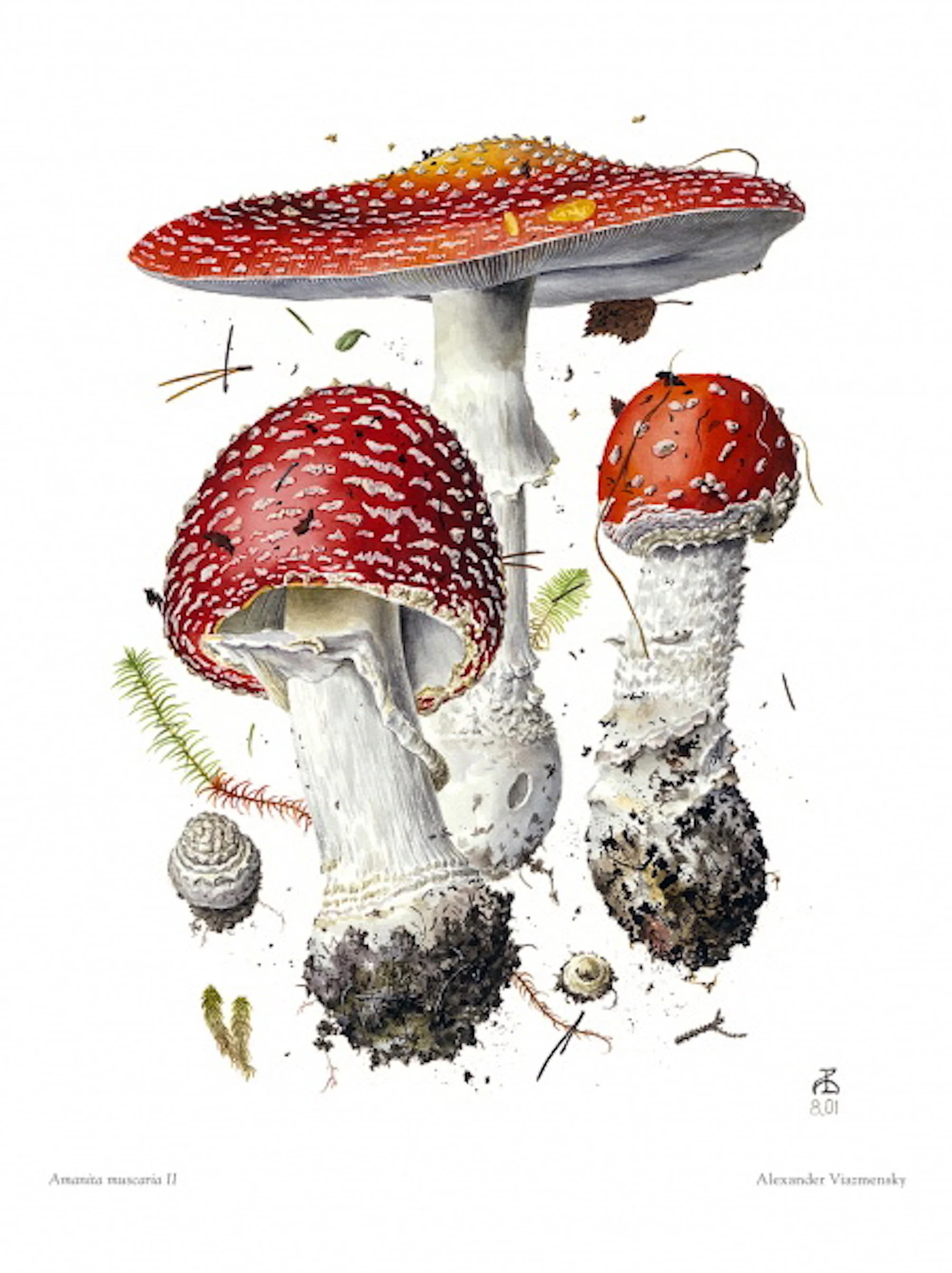
Cap (Pileus):
Size: 8–20 cm diameter
Shape: Hemispherical when young, flattening with age
Color: Bright red to orange-red, fading with age
Surface: White to cream-colored warts (universal veil remnants)
Gills (Lamellae):
Attachment: Free
Color: White to cream
Stipe (Stem):
Length: 10–20 cm
Color: White with shaggy texture
Annulus: Prominent skirt-like ring
Volva:
Bulbous base with concentric rings or patches.
Flesh:
White, does not bruise blue.
Microscopic Features
Spores:
Shape: Ellipsoid
Size: ~9–13 µm × 6–9 µm
Color: White spore print
Basidia:
Typically four-spored.
Cystidia:
Cheilocystidia present; pleurocystidia generally absent.